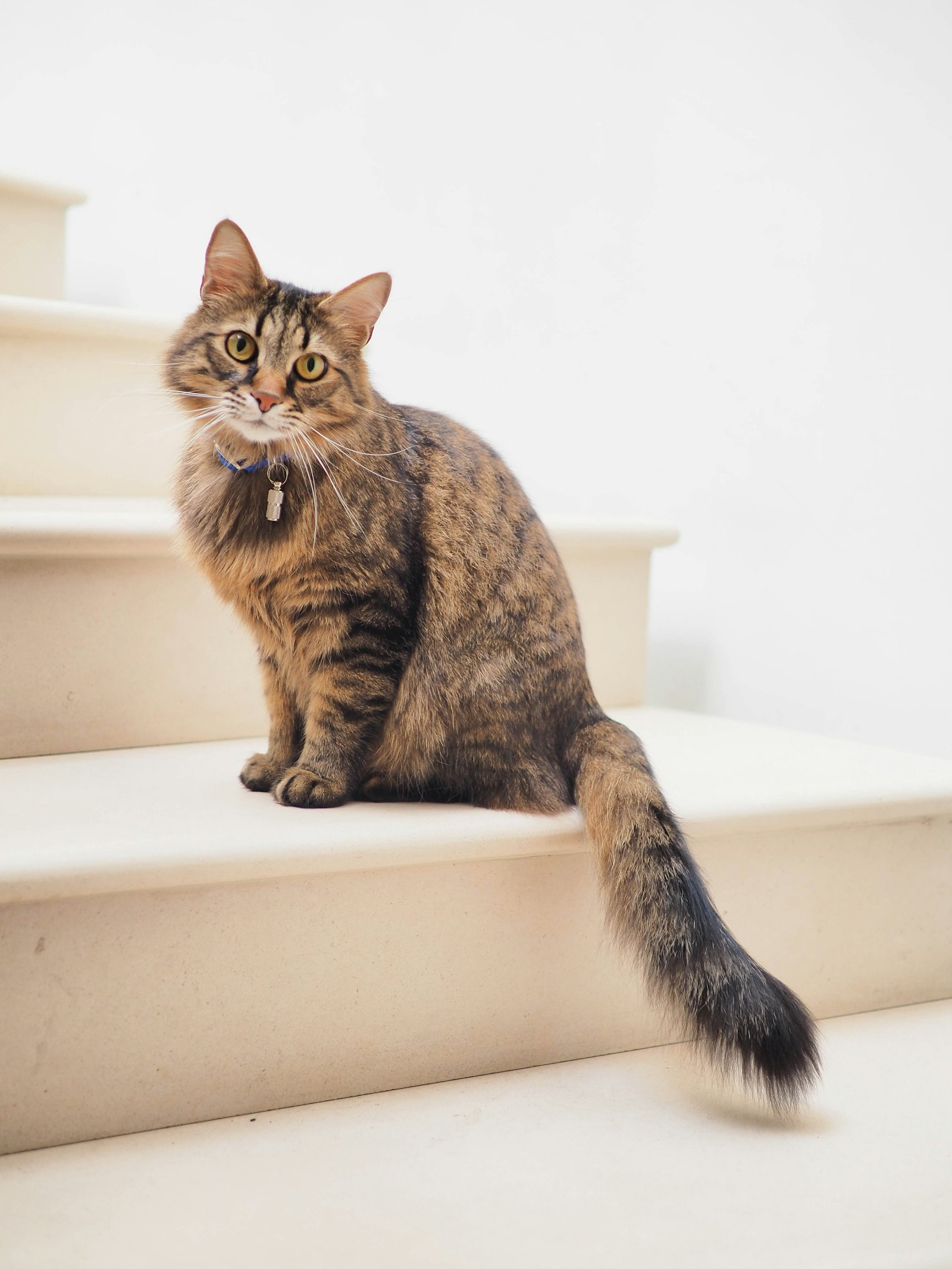
How Much Does It Cost to Own a Cat? (2026): Annual, Monthly & Lifetime Breakdown
TL;DR — The 7 numbers that matter
$650–about $2,910–$3,090+ — realistic annual cost of owning a cat (most owners spend $900–about $1,460–$1,540)
$54–about $240–$260+ — monthly cost (food, litter, vet, preventive care)
$1,000–about $3,400–$3,600 — first-year cost including one-time setup
$20,073–about $45,696–$48,516 — lifetime cost over 15 years (Synchrony 2025 study, up 19.4% since 2022)
$21–$35/mo — cat pet insurance (accident & illness, $5K limit)
$500–about $1,837–$1,957 — urinary blockage emergency (most common cat ER visit)
78% — of pet owners who underestimate lifetime cost by 3.5x–8x
If you have searched "how much does it cost to own a cat," you have probably seen answers ranging from about $390–$410 to about $1,940–$2,060 per year — and most of them are correct for someone, but dangerously misleading for you. The real cost of cat ownership depends on five variables that most cost guides gloss over: your cat's age (kitten first-year costs 2-3x adult steady-state), your cat's health (one urinary blockage or diabetes diagnosis can double a year's spending), whether your cat lives indoors or outdoors (a 3-9x lifespan difference that rewrites lifetime math), your food and litter choices (an 8x spread between budget kibble and prescription wet food), and whether you carry pet insurance or self-insure through an emergency fund.
This guide breaks down real 2026 U.S. costs by category, life stage, and lifestyle. It is built on verified August 2026 data from Synchrony's 2025 Pet Lifetime of Care study (4,861 pet owners), the ASPCA, Rover's 2026 Cost of Cat Parenthood report, CareCredit cost data, MarketWatch/Forbes/NerdWallet pet insurance pricing (July 2026), and VetReceipt real-invoice emergency cost data. If you are comparing cats to dogs, see our companion How Much Does It Cost to Own a Dog? — cats cost roughly half what dogs cost annually, but live longer, so lifetime costs are closer than you would expect.
Why "the average" misleads — the 5-factor cost swing
The reason no single number answers "how much does a cat cost" is that five variables swing annual cost by 4x or more, often stacking on top of each other. Here is the real cost structure:
| Factor | Low end | High end | Spread | Why it matters |
|---|---|---|---|---|
| Food type & brand | about $220–$230/yr (budget dry) | about $1,860–$1,980/yr (premium/prescription) | 8.5x | Premium wet and prescription diets cost 4-8x more per calorie than budget kibble |
| Health status | about $195–$205/yr (healthy routine) | about $4,850–$5,150+/yr (chronic + emergency) | 25x+ | One urinary blockage (about $1,122–$1,182 median) or diabetes diagnosis ($1,600-about $2,810–$2,990/yr) can double annual spend |
| Indoor vs outdoor | about $630–$670/yr (indoor, healthy) | about $1,940–$2,060+/yr (outdoor, trauma-prone) | 3x+ | Outdoor cats face fights, cars, predators, and infectious disease — shorter lives, more ER visits |
| Pet insurance | $0/yr (self-insure) | about $405–$435/yr (premiums) + about $485–$515 deductible | — | Insurance shifts cost from catastrophic to predictable; net-positive only if a claimable event occurs |
| Life stage | about $630–$670/yr (adult steady-state) | about $1,940–$2,060+/yr (kitten or senior) | 3x | First year requires setup + 3 vet visits; senior years require bloodwork, dental, and chronic care |
Stack all five and you get the full range: a healthy indoor adult cat fed budget dry food with no insurance and no emergencies costs roughly about $630–$670/yr, while an outdoor senior cat with diabetes on prescription wet food with two ER visits can exceed about $4,850–$5,150/yr. That is an 8x spread for what is fundamentally the same species. The often-quoted "$500-about $970–$1,030/yr" average represents almost no one's actual experience — it is a midpoint of a range that is not a bell curve but a skewed distribution with a long right tail driven by emergencies and chronic disease.
The annual cost breakdown — every category, itemized
Here is the real 2026 cost structure for an indoor adult cat, broken down by category with low, typical, and high ranges. These reflect verified August 2026 pricing from Rover's Cost of Cat Parenthood report, Synchrony's 2025 study, CareCredit veterinary cost data, and Chewy retail pricing.
| Category | Low / yr | Typical / yr | High / yr | What drives the spread |
|---|---|---|---|---|
| Food (dry + wet) | about $220–$230 | about $485–$515 | about $1,860–$1,980 | Brand, wet-vs-dry ratio, prescription diets for health conditions |
| Litter | about $120–$130 | about $240–$260 | about $565–$595 | Clumping clay cheapest; crystal/silica, pine, and walnut cost 2-3x more |
| Routine vet care | about $133–$143 | about $290–$310 | about $580–$620 | Annual exam ($53-about $119–$129), vaccines ($60-about $145–$155), bloodwork (about $108–$118+ for seniors) |
| Preventive medications | about $145–$155 | about $290–$310 | about $390–$410 | Flea/tick/heartworm prevention — 12-month doses cheaper per month than monthly refills |
| Toys & enrichment | $20 | about $95–$105 | about $340–$360 | Feather wands cheap; cat trees, robotic toys, and replaceable scratchers add up |
| Grooming | $0 | $50 | about $290–$310 | Short-haired cats self-groom; long-haired breeds (Persian, Maine Coon) need professional grooming |
| Pet insurance | $0 | about $290–$310 | about $405–$435 | Optional — $21-$35/mo for accident & illness with $5K limit; raises with age |
| Annual total | about $638–$678 | about $1,750–$1,850 | about $3,460–$3,680 | — |
The "typical" column of about $1,750–$1,850/yr (about $145–$155/mo) is the number most owners should budget for. The low end (about $638–$678) is achievable only for a healthy indoor cat fed budget food with no insurance and no emergencies — a best-case scenario that rarely holds for 15 years. The high end (about $3,460–$3,680) reflects premium food, annual dental cleaning, pet insurance premiums, and one moderate vet event — increasingly common as cats live longer and develop chronic conditions.
First-year cost: kitten vs adult adoption
The first year costs 50-100% more than steady-state years because of one-time setup expenses. Here is the breakdown for adopting a kitten versus an adult cat, with verified August 2026 pricing.
One-time setup costs ($200–about $775–$825)
| Item | Low | High | Notes |
|---|---|---|---|
| Adoption fee (shelter) | $50 | about $150–$160 | Usually includes spay/neuter, first vaccines, microchip — best value |
| Breeder purchase (pedigree) | about $485–$515 | about $3,400–$3,600+ | Maine Coon, Persian, Bengal, Sphynx — does NOT include vet care |
| Initial vet exam & vaccines | about $175–$185 | about $400–$420 | Higher for kittens needing 2-3 booster visits |
| Spay/neuter surgery | $50 | about $390–$410 | $50-about $145–$155 low-cost clinic; $200-about $390–$410 private vet. See our Cat Spay & Neuter Cost Guide |
| Microchip | $10 | $60 | Often bundled with adoption or spay surgery at a discount |
| Litter box + scoop | $15 | about $195–$205 | Basic pan $15; self-cleaning boxes $385-about $875–$925. See our Best Cat Litter Boxes guide |
| Carrier | $25 | $60 | Required for vet visits; hard-sided cheaper than soft |
| Scratching post / cat tree | $30 | about $195–$205 | Essential for indoor cats to protect furniture and satisfy clawing instinct |
| Bed | $20 | $60 | Optional — many cats prefer cardboard boxes or your bed |
| Food & water bowls | $10 | $40 | Ceramic/stainless cost more but resist feline acne vs plastic |
| Collar + ID tag | $15 | $40 | Breakaway collar essential for safety |
| Initial food & litter stock | $40 | about $205–$215 | First month's supply while settling in |
| Pet rent / deposit (renters) | about $290–$310 | about $730–$770 | One-time pet deposit; some landlords charge monthly pet rent $25-$50 |
Adopt, don't shop: Shelter adoption ($50-about $150–$160) is the single biggest cost saver in cat ownership. The fee typically includes spay/neuter surgery ($50-about $390–$410 value), first vaccinations ($60-about $290–$310 value), microchip ($10-$60 value), and sometimes a free first vet visit. A shelter cat's total first-year setup cost is $400-about $775–$825 versus $1,200-about $3,400–$3,600 for a breeder-purchased pedigree kitten that needs all medical care from scratch.
Kitten vs adult cat first-year comparison
| Category | Kitten (Year 1) | Adult cat (Year 1) | Why the difference |
|---|---|---|---|
| Adoption / purchase | $50-about $150–$160 (shelter) or $500-about $3,400–$3,600 (breeder) | $25-about $95–$105 (shelter, adult cats cheaper) | Adult cats are harder to adopt out, so shelters discount them |
| Vet visits (Year 1) | $320-about $640–$680 (3+ visits for boosters, spay/neuter) | $180-about $400–$420 (1-2 visits, often already spayed/neutered) | Kittens need a series of booster vaccines 6-16 weeks |
| Spay/neuter | $50-about $390–$410 (if not in adoption fee) | $0-about $195–$205 (often already done) | Adult shelter cats are usually spayed/neutered before adoption |
| Kitten food | $250-about $485–$515 (kitten formula, more calories) | $225-about $485–$515 (adult maintenance food) | Kittens eat more per pound and need growth-formula food |
| Training / supplies | $50-about $145–$155 (litter training usually automatic) | $30-about $95–$105 (already trained) | Cats rarely need formal training; kittens need more scratch-post redirection |
| First-year total | $1,000-about $3,400–$3,600 | $700-about $1,750–$1,850 | Adult adoption saves $300-about $1,650–$1,750 in Year 1 |
Adult cat adoption saves $300-about $1,650–$1,750 in the first year and is the single highest-ROI decision in cat ownership. Adult cats are often already spayed/neutered, vaccinated, microchipped, litter-trained, and past the destructive kitten phase. The trade-off is you miss the kitten experience and may inherit an adult cat with unknown history — but shelters assess temperament, and adult personalities are already settled, reducing the risk of behavior problems that drive later costs.
Indoor vs outdoor: the 3-9x lifespan cost rewrite
The single biggest cost decision in cat ownership is whether your cat lives indoors or outdoors — not because of annual cost differences, but because of lifespan. Indoor cats live 12-18 years on average; outdoor cats live 2-5 years. This 3-9x lifespan difference rewrites the entire lifetime cost calculation.
| Metric | Indoor cat | Outdoor cat | Difference |
|---|---|---|---|
| Average lifespan | 12-18 years (some to 20+) | 2-5 years | 3-9x longer |
| Annual cost (healthy) | $650-about $1,460–$1,540 | $900-about $2,420–$2,580 | Outdoor ~1.5x higher (trauma, parasites, fights) |
| Lifetime cost | $20,073-about $45,696–$48,516 (Synchrony, 15 yr) | $2,700-about $12,120–$12,880 (2-5 yr × annual) | Indoor higher total, but per healthy year far cheaper |
| Cost per healthy year | $1,340-about $3,050–$3,230 | $1,350-about $2,420–$2,580 (if you exclude trauma years) | Indoor comparable once lifespan is normalized |
| Top cost drivers | Food, routine vet, chronic disease (kidney, diabetes, dental) | Trauma surgery, abscesses, infectious disease (FeLV, FIV), parasites | Different cost profiles entirely |
| Pet insurance value | High — chronic disease over long lifespan | Lower — cats rarely survive long enough to claim | Indoor cats get more policy value |
The indoor-only case in numbers: An outdoor cat living 3 years at about $1,460–$1,540/yr costs about $4,360–$4,640 lifetime — cheaper than an indoor cat's $20,073-about $45,696–$48,516 over 15 years. But the outdoor cat dies at 3, often after a about $1,940–$2,060+ trauma bill in its final year, while the indoor cat provides 12-18 years of companionship. The honest framing is not "indoor is cheaper" but "indoor costs more lifetime but delivers far more value per year and per dollar." If your goal is lowest lifetime spend with no emotional attachment, an outdoor cat is cheaper. If your goal is a long-lived companion, indoor-only is the only rational choice — and most cat owners want the companion.
Outdoor cats face a fundamentally different cost structure: abscess treatment from fight wounds ($200-about $580–$620), broken bones from falls or cars ($1,500-about $3,880–$4,120), FeLV/FIV treatment (about $613–$653+ per CareCredit), and parasite-borne illnesses. The annual cost is higher AND the lifespan is shorter, but the shortened lifespan means lifetime spend is lower. This is the only scenario where "cheaper lifetime cost" is a bad thing — it means your cat died early, often painfully. Vets universally recommend indoor-only or supervised outdoor access (catios, leash walks) for both welfare and cost reasons.
Emergency and chronic disease costs — the right tail
The category that breaks most cat budgets is unexpected veterinary care. A single emergency or chronic diagnosis can double or triple a year's spending. Here is the real 2026 cost of the most common cat emergencies and chronic conditions, from VetReceipt real-invoice data, MarketWatch, and CareCredit cost data.
Common cat emergencies (one-time costs)
| Condition | Cost range | Median / typical | Frequency |
|---|---|---|---|
| Urinary blockage (male cats) | $500-about $1,837–$1,957 | about $1,122–$1,182 | 1-2% of male cats lifetime; recurrent in 15-40% |
| PU surgery (repeat blockers) | $2,000-about $3,880–$4,120 | about $2,910–$3,090 | Required for cats with 2+ blockages |
| Foreign body obstruction surgery | $3,000-about $6,790–$7,210 | about $4,360–$4,640 | String, hair ties, toy pieces — cats are indiscriminate chewers |
| Accidental poisoning | $250-about $4,850–$5,150 | about $970–$1,030 | Lily plants, antifreeze, human meds, essential oils |
| Internal bleeding / trauma | $1,000-about $4,850–$5,150 | about $2,420–$2,580 | Falls, car strikes, dog attacks (outdoor cats) |
| Broken bone | $2,200-about $2,330–$2,470 | about $2,230–$2,370 | Mostly outdoor cats; surgical repair |
| Gastrointestinal obstruction | $1,600-about $4,850–$5,150 | about $2,910–$3,090 | Vomiting + foreign body; surgery often needed |
| Emergency exam + stabilization | $150-about $970–$1,030 | about $364–$384 | Baseline ER visit cost before treatment |
| Hospitalization (per night) | $200-about $580–$620 | about $390–$410 | 2-5 nights typical for serious cases |
Common cat chronic conditions (annual ongoing costs)
| Condition | Annual cost | Prevalence | Notes |
|---|---|---|---|
| Diabetes (insulin + monitoring) | $1,600-about $2,810–$2,990 | 0.5-2% of cats; rising with obesity | Twice-daily insulin, prescription diet, quarterly vet visits |
| Kidney disease (CKD) | about $1,260–$1,340+ | 30% of cats over age 10; 80%+ over 15 | Subcutaneous fluids, prescription diet, bloodwork |
| Hyperthyroidism | $500-about $1,940–$2,060 | 10% of older cats | Methimazole daily or radioactive iodine ($1,500-about $1,940–$2,060 one-time cure) |
| Dental disease | $500-about $775–$825 (cleaning); $1,500-about $2,910–$3,090 (extractions) | 50-90% of cats over age 4 | Annual cleaning recommended; extractions common in seniors |
| Arthritis | $500-about $730–$770 | 60-90% of cats over age 12 (often undiagnosed) | Solensia injection ($50-about $95–$105/mo) is a 2022 game-changer |
| Inflammatory bowel disease (IBD) | $800-about $1,940–$2,060 | Common in middle-aged cats | Prescription diet, steroids, frequent vet visits |
| Asthma | $400-about $1,160–$1,240 | 1-5% of cats | Inhaler (Aerokat), corticosteroids, emergency visits |
| Cancer treatment | $3,200-about $7,760–$8,240+ | Lymphoma, squamous cell carcinoma common | Chemotherapy, surgery, radiation depending on type |
The urinary blockage warning for male cat owners: Male cats are anatomically prone to urinary blockage — a life-threatening emergency costing $500-about $1,837–$1,957 (median about $1,122–$1,182) per VetReceipt real-invoice data, with recurrent blockers needing $2,000-about $3,880–$4,120 PU (perineal urethrostomy) surgery. If you own a male cat, this is the single most likely catastrophic expense. Wet food (which increases water intake), water fountains, and stress reduction reduce risk. See our Cat Not Eating — What to Do guide for urinary-related appetite loss signs.
The annual probability of at least one about $485–$515+ emergency for an indoor adult cat is roughly 10-15% in any given year; for an outdoor cat it is 40-60%. Over a 15-year lifespan, an indoor cat has a 70-90% chance of at least one about $970–$1,030+ emergency and a 30-50% chance of a chronic condition diagnosis. This is why pet insurance or a dedicated emergency fund is not optional — it is actuarial necessity.
Pet insurance for cats: cost, value, and the ROI math
Cat pet insurance in 2026 averages $21-$35/month ($252-about $405–$435/yr) for accident-and-illness coverage with a about $4,850–$5,150 annual limit, based on July 2026 data from MarketWatch, Forbes, and NerdWallet. Here is the real pricing across major providers for a typical adult cat (3-year-old domestic shorthair, about $240–$260 deductible, 80% reimbursement, about $4,850–$5,150 annual limit):
| Provider | Cat $/mo (5K limit) | Cat $/mo (unlimited) | Kitten $/mo | Notes |
|---|---|---|---|---|
| Lemonade | $21 | $32 | $18 | Cheapest credible; fast claims; AI-driven underwriting |
| Figo | $22 | $36 | $15 | 100% reimbursement option available; unlimited caps on higher tiers |
| Healthy Paws | — | $38 | $19 | Unlimited annual limit only; no caps; strong claims reputation |
| Pets Best | $25-$28 | $31 | $20-$23 | Multiple tiers; routine care add-on available |
| Spot | $30 | $59 | $20-$39 | Customizable deductibles and reimbursement; wide range |
| Embrace | $26-$37 | $53 | $17-$24 | Diminishing deductible ($50/yr); wellness add-on; exam fee coverage |
| ASPCA | $23 | — | $20 | Direct vet pay option; straightforward coverage |
| Fetch | $29 | — | $24 | In-home exam reimbursement; comprehensive but pricier |
| Trupanion | — | $69 | $38 | Direct vet pay; no payout limits; most expensive |
| Pumpkin | $31-$43 | $60 | $36-$37 | Standalone Wellness Club (no policy required) for preventive care |
The pet insurance ROI calculation
Is cat insurance worth it? The math depends on whether a claimable event occurs. Here is the break-even analysis over a 15-year lifespan, comparing insurance (Lemonade $21/mo = about $242–$262/yr, about $240–$260 deductible, 80% reimbursement) versus self-insuring:
| Scenario | With insurance (premiums + deductible + 20% coinsurance) | Self-insure (pay 100%) | Insurance savings |
|---|---|---|---|
| No emergencies in 15 years (rare) | about $3,670–$3,890 (premiums only) | $0 | Self-insure wins by about $3,670–$3,890 |
| One about $1,122–$1,182 urinary blockage (year 7) | about $3,670–$3,890 + about $240–$260 + about $225–$235 = about $4,130–$4,390 | about $1,122–$1,182 | Self-insure wins by about $3,018–$3,198 |
| One about $2,910–$3,090 foreign body surgery (year 5) | about $3,670–$3,890 + about $240–$260 + about $580–$620 = about $4,490–$4,770 | about $2,910–$3,090 | Self-insure wins by about $1,580–$1,680 |
| One about $2,910–$3,090 surgery + 5 yr diabetes (about $2,130–$2,270/yr = about $10,670–$11,330) | about $3,670–$3,890 + about $240–$260 + about $2,180–$2,320 = about $6,090–$6,470 | about $13,580–$14,420 | Insurance wins by about $7,490–$7,950 |
| Cancer treatment about $5,820–$6,180 (year 12) | about $3,670–$3,890 + about $240–$260 + about $1,160–$1,240 = about $5,070–$5,390 | about $5,820–$6,180 | Insurance wins by about $745–$795 |
| Multiple chronic conditions (about $14,550–$15,450 total) | about $3,670–$3,890 + about $240–$260 + about $2,910–$3,090 = about $6,820–$7,240 | about $14,550–$15,450 | Insurance wins by about $7,730–$8,210 |
The break-even point is roughly $4,000-about $4,850–$5,150 in claimable veterinary expenses over the cat's lifetime. Given that 70-90% of indoor cats will incur at least one about $970–$1,030+ emergency and 30-50% will develop a chronic condition, most cats will exceed this break-even — but the timing matters. A cat that stays healthy until age 12 then develops kidney disease (about $1,260–$1,340/yr × 3 years = about $3,780–$4,020) barely breaks even, while a cat that blocks at age 4 and develops diabetes at age 9 saves about $6,790–$7,210+.
The pre-existing condition trap: Pet insurance never covers pre-existing conditions — ever. A condition noted in your cat's vet records before the policy's effective date (or during the waiting period, typically 14 days) is permanently excluded, even if curable. This means the optimal time to buy insurance is when you first adopt a kitten with a clean health record. Waiting until your cat is 7 and "has been healthy" means any future condition will be covered, but anything that has appeared in records is excluded. Kitten rates ($15-$24/mo) are also 40-60% cheaper than adult rates.
The realistic recommendation: if you can absorb a about $4,850–$5,150 emergency without financial hardship, self-insuring (setting aside $50/mo in a dedicated fund) beats insurance on average. If a about $1,940–$2,060+ bill would force you into debt or euthanasia-for-cost, buy insurance when your cat is young and healthy. Lemonade ($21/mo) is the cheapest credible option; Embrace ($26-$37/mo) offers the diminishing deductible and exam fee coverage; Trupanion ($69/mo) offers direct vet pay and unlimited limits but at 3x the cost. See our full Pet Insurance Comparison Guide for provider-by-provider details.
Life stage costs: kitten, adult, senior
Cat costs are not flat across a lifespan — they follow a U-curve, highest in the first year (setup + kitten vaccines + spay/neuter), lowest in the adult years (3-10 years, healthy steady-state), and rising again in the senior years (10+ years, chronic disease, dental, bloodwork). Here is the year-by-year cost profile:
| Life stage | Years | Annual cost (typical) | What drives the cost |
|---|---|---|---|
| Kitten (Year 1) | 0-1 | $1,000-about $3,400–$3,600 | Setup, 3+ vet visits, boosters, spay/neuter, kitten food |
| Young adult | 1-3 | $650-about $1,160–$1,240 | Annual exam, vaccines, preventive meds, food, litter |
| Mature adult | 3-10 | $700-about $1,750–$1,850 | Steady-state; may add dental cleaning from age 4 |
| Senior | 10-15 | $1,200-about $2,910–$3,090 | Twice-yearly vet visits, senior bloodwork (about $108–$118+), dental disease, arthritis (Solensia $50-about $95–$105/mo) |
| Geriatric | 15+ | $2,000-about $4,850–$5,150+ | Kidney disease (30% prevalence), hyperthyroidism, cancer, end-of-life care |
| End of life | Final year | +$300-about $1,460–$1,540 one-time | Euthanasia ($125-about $633–$673), private cremation ($142-about $316–$336), burial ($449-about $1,001–$1,061) |
The senior-cost inflection point at age 10 is the most under-budgeted phase of cat ownership. Routine bloodwork becomes recommended annually (about $108–$118+ per test), dental disease affects 50-90% of cats over age 4, and 30% of cats over age 10 develop chronic kidney disease requiring prescription diet, subcutaneous fluids, and quarterly monitoring — easily about $1,260–$1,340+/yr. If you adopt a cat expecting "about $775–$825/yr forever," the senior years will surprise you. Budget for a 50-100% cost increase from age 10 onward.
End-of-life costs: euthanasia and cremation
The final cost of cat ownership is the one no one wants to plan for, but knowing the numbers in advance prevents a financial decision made in grief. Here is the 2026 cost of cat euthanasia and aftercare, from CareCredit (May 2026) and U.S. News data:
| Service | Cost range | Average | Notes |
|---|---|---|---|
| Clinic euthanasia (vet office) | $125-about $276–$296 | about $153–$163 | Euthanasia only; no aftercare |
| At-home euthanasia | $284-about $633–$673 | about $349–$369 | Vet comes to your home; less stressful for cat and owner |
| Low-cost euthanasia (nonprofit) | $40-about $95–$105 | $70 | Humane Society, SPCA; financial hardship programs |
| Group / communal cremation | $50-about $145–$155 | $95 | Ashes not returned; multiple pets cremated together |
| Private cremation (ashes returned) | $142-about $316–$336 | about $175–$185 | Ashes returned in urn or scatter tube |
| Pet cemetery burial | $449-about $1,001–$1,061 | about $551–$581 | Plot, casket, marker; not legal in all areas |
| Home burial | $0-$50 | $20 | Legal in most rural areas; check local ordinances |
| Typical total (euthanasia + private cremation) | $267-about $592–$632 | about $328–$348 | Most common end-of-life package |
Some pet insurance policies cover euthanasia and cremation up to about $485–$515 (Modular Pet Insurance, Travelers) — check your policy. If cost is a barrier, most humane societies and SPCAs offer low-cost euthanasia ($40-about $95–$105) and many vets will work out payment plans or accept CareCredit/Scratch Pay financing for end-of-life care. This is not the time to let cost prevent a peaceful goodbye.
Lifetime cost: the Synchrony 2025 study in context
The most-cited lifetime cost figure for cats is Synchrony's 2025 Pet Lifetime of Care study: about $19,473–$20,673 to about $45,696–$48,516 over a 15-year lifespan, based on 4,861 pet owners surveyed January-February 2025. This is a 19.4% increase from the 2022 study, driven by veterinary cost inflation (nearly 5% per year per Bureau of Labor Statistics), premium pet food adoption, and owners investing more in chronic disease management. Critically, the study found that nearly 8 in 10 pet owners underestimate lifetime costs, with the average owner initially estimating roughly about $5,565–$5,905 — 3.5x to 8x below the real figure.
Here is how the $20,073-about $45,696–$48,516 range breaks down across the lifespan, normalized to annual and monthly figures:
| Lifetime scenario | Total (15 yr) | Annual avg | Monthly avg | What it represents |
|---|---|---|---|---|
| Low end (about $19,473–$20,673) | about $19,473–$20,673 | about $1,298–$1,378 | about $106–$116 | Healthy indoor cat, budget food, routine care, no major emergencies, no insurance |
| Mid-range (about $32,580–$34,600) | about $32,580–$34,600 | about $2,169–$2,309 | about $182–$192 | Typical indoor cat: premium food, 1-2 emergencies, dental care, one chronic condition |
| High end (about $45,696–$48,516) | about $45,696–$48,516 | about $3,050–$3,230 | about $252–$272 | Multiple chronic conditions, several emergencies, pet insurance premiums, end-of-life care |
| Owner's initial estimate (about $5,565–$5,905) | about $5,565–$5,905 | about $372–$392 | $32 | What most owners THINK they will spend — 3.5x-8x underestimate |
The about $19,473–$20,673 low-end figure is achievable only with a healthy indoor cat, budget food, no pet insurance, and minimal emergencies — a best-case scenario. The about $45,696–$48,516 high-end reflects the increasingly common reality of senior cats living longer with managed chronic disease. The mid-range (about $32,580–$34,600, or ~about $2,170–$2,310/yr) is the number most owners should plan for.
6-scenario decision framework: what your cat will actually cost
Different owners face different cost profiles. Here are six common scenarios with realistic annual and lifetime cost projections:
Scenario 1: Shelter-adopted indoor adult cat, budget-conscious
Adopt a 3-year-old shelter cat ($75, already spayed/vaccinated/microchipped), feed mid-priced dry + some wet ($35/mo), clumping clay litter ($20/mo), annual vet (about $133–$143), preventive meds ($20/mo), no pet insurance (self-insure with $50/mo emergency fund). Annual: $1,200-about $1,460–$1,540. Lifetime (15 yr): $20,000-about $24,250–$25,750. Risk: one major emergency (about $2,910–$3,090) exceeds the emergency fund, forcing a hard decision.
Scenario 2: Shelter kitten, mid-range spender
Adopt a kitten (about $120–$130, includes spay/vaccines/microchip), first-year setup about $1,460–$1,540, then steady-state about $1,160–$1,240/yr (premium dry + wet food $60/mo, good litter $25/mo, annual vet about $195–$205, preventive $25/mo, toys $15/mo), add pet insurance at $21/mo (Lemonade) from kitten age. Annual: $1,800-about $2,130–$2,270. Lifetime (15 yr): $28,000-about $33,950–$36,050. Insurance covers major events; premiums rise with age.
Scenario 3: Breeder-purchased pedigree kitten, premium spender
Purchase a Maine Coon kitten (about $1,460–$1,540 from breeder), first-year about $2,420–$2,580 (includes breeder cost + full vet workup + spay + microchip), premium wet food ($80/mo), crystal litter ($35/mo), annual vet + dental cleaning (about $390–$410), preventive ($30/mo), pet insurance $30/mo (Embrace), professional grooming $50/mo (long-haired breed). Annual: $2,800-about $3,400–$3,600. Lifetime (15 yr): $42,000-about $50,440–$53,560. Highest cost profile; pedigree cats also have breed-specific health risks.
Scenario 4: Male cat with urinary blockage history
Adopt a male cat ($75), standard care (about $1,160–$1,240/yr), but at age 4 suffers a urinary blockage (about $1,122–$1,182), then recurrent blockages requiring PU surgery (about $2,910–$3,090) at age 5. Prescription urinary diet adds $80/mo. Pet insurance (purchased at adoption) covers about $4,032–$4,272 minus about $240–$260 deductible and 20% coinsurance = about $2,932–$3,112 paid by insurance. Without insurance: about $5,192–$5,512 in two years. With insurance: about $1,480–$1,580 out-of-pocket + about $242–$262/yr premiums. This is the scenario where insurance pays for itself multiple times over.
Scenario 5: Senior cat with chronic disease
Cat adopted at age 2, healthy through age 12 (about $1,160–$1,240/yr avg), then develops kidney disease (about $1,260–$1,340/yr) and arthritis (about $580–$620/yr Solensia), needs dental extraction (about $1,940–$2,060 one-time), quarterly bloodwork (about $435–$465/yr). Age 12-15 annual cost: $3,800-about $4,850–$5,150. Final 3 years: $11,400-about $14,550–$15,450. Plus end-of-life (about $328–$348). This is the senior cost spike most owners do not budget for.
Scenario 6: Outdoor cat (not recommended)
Cat adopted ($75), lives indoors/outdoors, fed same as indoor ($40/mo food), but incurs trauma costs: fight abscess at age 2 (about $390–$410), broken leg from car at age 3 (about $2,230–$2,370). Euthanized at age 4 after second trauma. Lifetime: $75 + (about $775–$825/yr × 4) + about $2,620–$2,780 trauma + about $328–$348 euthanasia = about $6,125–$6,505 over 4 years. Cheaper lifetime than indoor, but the cat died at 4 instead of 15. The "savings" came at the cost of 11 lost years.
7 common mistakes that cost you money
- Not budgeting for the senior cost spike. Most owners budget based on the adult steady-state ($800-about $1,160–$1,240/yr) and are blindsided when costs jump 2-4x at age 10+ (senior bloodwork, dental disease, arthritis, kidney disease). Start a "senior fund" at age 7 — set aside $50/mo so you have about $3,490–$3,710 saved by age 13 when chronic conditions typically emerge.
- Buying pet insurance too late. Insurance never covers pre-existing conditions. Waiting until your cat is 8 and "has been healthy" means any future condition is covered, but anything already in vet records (early kidney values, dental tartar, mild weight loss) is excluded forever. Buy when you adopt, ideally as a kitten with a clean record — kitten rates are also 40-60% cheaper.
- Feeding dry food only to save money. Dry food is cheaper per calorie, but cats have low thirst drives and chronic dehydration from dry-only diets contributes to urinary blockages (the about $1,122–$1,182 median ER visit) and kidney disease (about $1,260–$1,340+/yr). A mixed wet-dry diet or water fountain costs $10-$30/mo more but prevents thousands in urinary tract costs over a lifetime.
- Skipping annual dental care. Dental disease affects 50-90% of cats over age 4, and untreated dental disease leads to extractions ($1,500-about $2,910–$3,090) and has been linked to kidney and heart disease. Annual cleanings ($500-about $775–$825) seem expensive but prevent the about $2,910–$3,090 extraction bill and the systemic disease it causes.
- Assuming "indoor cats don't need flea prevention." Fleas come in on humans, other pets, and through screens. A single flea infestation requires treating the cat, the environment, and often multiple visits — $200-about $485–$515 to resolve. Year-round flea prevention ($15-$25/mo) is cheaper than one infestation and also prevents tapeworms (carried by fleas).
- Not having an emergency fund OR insurance. The 70-90% probability of a about $970–$1,030+ emergency over a cat's lifespan makes going bare actuarially irresponsible. Either carry insurance ($21-$35/mo) or maintain a dedicated $3,000-about $4,850–$5,150 emergency fund. Putting it on a general credit card at 20% APR turns a about $1,940–$2,060 emergency into $2,400-about $2,910–$3,090 with interest.
- Choosing a pedigree cat without researching breed-specific health costs. Maine Coons (hypertrophic cardiomyopathy, hip dysplasia), Persians (polycystic kidney disease, breathing issues), Bengals (progressive retinal atrophy), and Sphynx (heart disease, skin issues) all carry breed-specific health risks that can add $1,000-about $4,850–$5,150/yr in veterinary costs. A domestic shorthair from a shelter has a lower genetic disease burden and lower expected lifetime vet costs.
Frequently Asked Questions
How much does it cost to own a cat per year?
The realistic annual cost of owning a cat in 2026 is about $630–$670 to about $2,910–$3,090+, with most owners spending about $875–$925 to about $1,460–$1,540. The low end (about $630–$670) assumes a healthy indoor cat fed mid-priced dry food with routine preventive care only. The high end (about $2,910–$3,090+) includes premium wet food, annual dental cleaning, pet insurance, and one moderate emergency or chronic condition. Food ($225-about $1,860–$1,980/yr), litter ($125-about $565–$595/yr), routine vet care ($200-about $580–$620/yr), and preventive medications ($150-about $390–$410/yr) are the recurring categories. According to Synchrony's 2025 Pet Lifetime of Care study, annual healthcare costs alone range from about $364–$384 to about $935–$995 for cats.
What is the total lifetime cost of owning a cat?
According to Synchrony's 2025 Pet Lifetime of Care study (4,861 pet owners surveyed), the lifetime cost of a cat over 15 years ranges from about $19,473–$20,673 to about $45,696–$48,516 — a 19.4% increase from 2022. Nearly 8 in 10 pet owners underestimate this cost; the average owner initially estimates roughly about $5,565–$5,905, which is 3.5x to 8x below the real figure. The low end assumes a healthy indoor cat with minimal emergencies; the high end includes chronic disease management (kidney disease, diabetes, hyperthyroidism), multiple dental cleanings, and end-of-life care. Indoor cats living 15-20 years accumulate more lifetime cost than outdoor cats (average lifespan 2-5 years) but cost less per healthy year.
How much does a cat cost in the first year?
The first year of cat ownership costs about $970–$1,030 to about $3,400–$3,600, with the average around $1,500-about $1,940–$2,060. One-time setup costs ($200-about $775–$825) include adoption fee ($50-about $150–$160) or breeder purchase ($500-about $3,400–$3,600+ for pedigrees), initial vet exam and vaccinations ($180-about $400–$420), spay/neuter surgery ($50-about $390–$410, or often included in shelter adoption), microchip ($10-$60), litter box and supplies ($50-about $195–$205), carrier ($25-$60), scratching post ($30-$80), and bed ($20-$60). Recurring first-year costs include food, litter, preventive medications, and 2-3 kitten vet visits. Shelter adoptions are cheaper upfront ($50-about $150–$160 includes spay/neuter, vaccines, and microchip) than breeder purchases.
Is pet insurance worth it for a cat?
Cat pet insurance in 2026 averages $21-$35/month ($252-about $405–$435/yr) for accident-and-illness coverage with a about $4,850–$5,150 annual limit. It is worth it if a single emergency would cause financial hardship — cat urinary blockage costs $500-about $1,837–$1,957, diabetes management runs $1,600-about $2,810–$2,990, and cancer treatment can exceed $3,200-about $7,760–$8,240. Over a 15-year lifespan, even one about $1,940–$2,060 emergency plus about $405–$435/yr in premiums (about $6,110–$6,490 total) beats paying about $1,940–$2,060 out of pocket while enjoying peace of mind. Insurance is most valuable when purchased while the cat is young and healthy (kitten rates start at $15-$18/mo) because pre-existing conditions are permanently excluded. Lemonade ($21/mo) and Figo ($22/mo) are the cheapest credible options; Pumpkin ($43/mo) and Trupanion ($70/mo) cost more but offer more comprehensive coverage.
How much does cat food cost per month?
Cat food costs $20 to about $155–$165 per month ($225-about $1,860–$1,980/yr) depending on brand, type, and quantity. Budget dry kibble costs $20-$40/mo, mid-tier dry with some wet food $40-$70/mo, premium grain-free or raw diets $70-about $115–$125/mo, and prescription veterinary diets $80-about $155–$165+/mo. A 10-lb cat eating dry food consumes roughly 200 calories/day (about 1/4 to 1/3 cup). Wet food costs 2-4x more than dry per calorie but provides hydration that supports urinary tract health — vets often recommend a mixed diet. Multi-cat households multiply food costs; a 3-cat household can spend $60-about $465–$495/mo on food alone.
What is the cheapest way to own a cat?
The cheapest realistic cat ownership path costs roughly about $630–$670/yr ($54/mo): adopt from a shelter ($50-about $150–$160 includes spay/neuter, vaccines, microchip), feed mid-priced dry food with some wet ($30-$40/mo), use clumping clay litter ($15-$25/mo), keep the cat indoors (eliminates emergency/illness costs from fights, cars, predators), maintain annual vet visits (about $133–$143 average), buy preventive medications in 12-month doses ($15-$25/mo), and skip pet insurance if you have a about $1,940–$2,060+ emergency fund set aside. Indoor-only living is the single biggest cost saver — outdoor cats average 2-5 year lifespans versus 12-18 for indoor cats, but their shorter lives are punctuated by expensive trauma and infectious disease treatment.
How much does an emergency vet visit cost for a cat?
Cat emergency vet visits in 2026 cost about $145–$155 to about $4,850–$5,150+ depending on the condition. The emergency exam alone is $100-about $145–$155, basic bloodwork $80-about $195–$205, imaging (X-ray/ultrasound) $150-about $580–$620, and hospitalization $200-about $580–$620/night. Common cat emergencies and their costs: urinary blockage $500-about $1,837–$1,957 (median about $1,122–$1,182, can require $2,000-about $3,880–$4,120 PU surgery for repeat blockers), foreign body obstruction surgery $3,000-about $6,790–$7,210, accidental poisoning $250-about $4,850–$5,150, and internal bleeding $1,000-about $4,850–$5,150. Chronic conditions also add up: diabetes $1,600-about $2,810–$2,990, kidney disease about $1,260–$1,340+, cancer $3,200-about $7,760–$8,240, and dental disease $500-about $775–$825. This is why pet insurance or a dedicated emergency fund is essential.
How much does it cost to euthanize a cat?
Cat euthanasia in 2026 costs $125-about $276–$296 at a veterinary clinic (national average about $153–$163) or $284-about $633–$673 at home (average about $349–$369), according to CareCredit data. Private cremation adds $142-about $316–$336 (average about $175–$185), and pet cemetery burial costs $449-about $1,001–$1,061 (average about $551–$581). Group/communal cremation is cheaper at $50-about $145–$155 but does not return ashes. End-of-life care total (euthanasia + private cremation) typically runs $300-about $580–$620. Some pet insurance policies cover euthanasia and cremation up to about $485–$515 (Modular, Travelers). Many vets offer low-cost euthanasia ($40-about $95–$105) for owners facing financial hardship — ask about payment plans, CareCredit, or Scratch Pay financing.
Protect Against the about $4,850–$5,150 Emergency
Cat urinary blockage (about $1,122–$1,182 median), foreign body surgery ($3,000-about $6,790–$7,210), and cancer treatment ($3,200-about $7,760–$8,240) can hit at any age. Pet insurance shifts catastrophic cost to predictable monthly premiums. The break-even is roughly $4,000-about $4,850–$5,150 in lifetime claimable expenses — and 70-90% of indoor cats will exceed that. Buy when your cat is young and healthy, because pre-existing conditions are excluded forever. See our full comparison for which providers cover what.
Compare Pet Insurance Plans →Lemonade Pet Insurance
Lemonade is the cheapest credible cat insurance option at ~$21/mo for a typical adult cat ($18/mo for kittens) with accident-and-illness coverage and a about $4,850–$5,150 annual limit. AI-driven underwriting and fast claims (often paid in minutes). Covers urinary blockage, foreign body surgery, diabetes, cancer, and other emergencies minus your deductible and coinsurance. If you want catastrophic coverage at the lowest monthly cost, Lemonade is the value pick.
Cat: ~$21/mo | Kitten: ~$18/mo | $5K annual limit
Pumpkin Wellness Club (Standalone)
Pumpkin is the ONLY pet insurance company offering a standalone wellness plan — no accident-and-illness policy required. The Wellness Club reimburses routine preventive care (annual exam, vaccines, dental cleaning, flea prevention) up to your annual limit ($250-about $630–$670/yr). At ~$15/mo for a cat, it helps smooth the $650-about $2,910–$3,090 annual cost by reimbursing the predictable expenses, while a separate accident-and-illness policy covers the catastrophic ones.
Cat: ~$15/mo wellness | Preventive care reimbursed up to $250-about $630–$670/yr
The Bottom Line
The cost of owning a cat in 2026 ranges from about $630–$670/yr for a healthy indoor adult on a budget to about $2,910–$3,090+/yr for a senior with chronic conditions on premium food with pet insurance. The Synchrony 2025 study puts the 15-year lifetime range at about $19,473–$20,673 to about $45,696–$48,516 — and 78% of owners underestimate this by 3.5x to 8x. The single most important number in this guide is the senior cost spike: cats cost roughly $800-about $1,160–$1,240/yr in their adult years (3-10), then $1,200-about $2,910–$3,090+/yr from age 10 onward as chronic disease, dental disease, and bloodwork accumulate. Budget for the U-curve, not the flat average.
The three highest-leverage decisions you control are: (1) adopt a shelter cat instead of buying a pedigree — saves $300-about $1,650–$1,750 in Year 1 and lowers breed-specific disease risk; (2) keep your cat indoors — extends lifespan 3-9x and eliminates the trauma and infectious disease costs that dominate outdoor cat vet bills; and (3) buy pet insurance when you adopt — kitten rates are 40-60% cheaper than adult rates, and pre-existing conditions are excluded forever, so waiting is the most expensive decision you can make. If you can absorb a about $4,850–$5,150 emergency without hardship, self-insure with a dedicated fund; if not, $21/mo for Lemonade is the cheapest credible safety net.
Cats cost roughly half what dogs cost annually, but they live 50-100% longer, so lifetime costs are closer than the annual gap suggests. A cat is a 15-20 year financial commitment of $20,000-about $45,590–$48,410 — not the "about $485–$515 a year" most people imagine. Plan for the full curve, insure against the tail, and your cat's lifetime cost stays predictable instead of catastrophic.
As an Amazon Associate, we earn from qualifying purchases. Pricing and availability are shown on Amazon.