Health answers, vet-checked
Cat Not Eating? When to Worry, Causes & What to Do (2026 Vet Guide)
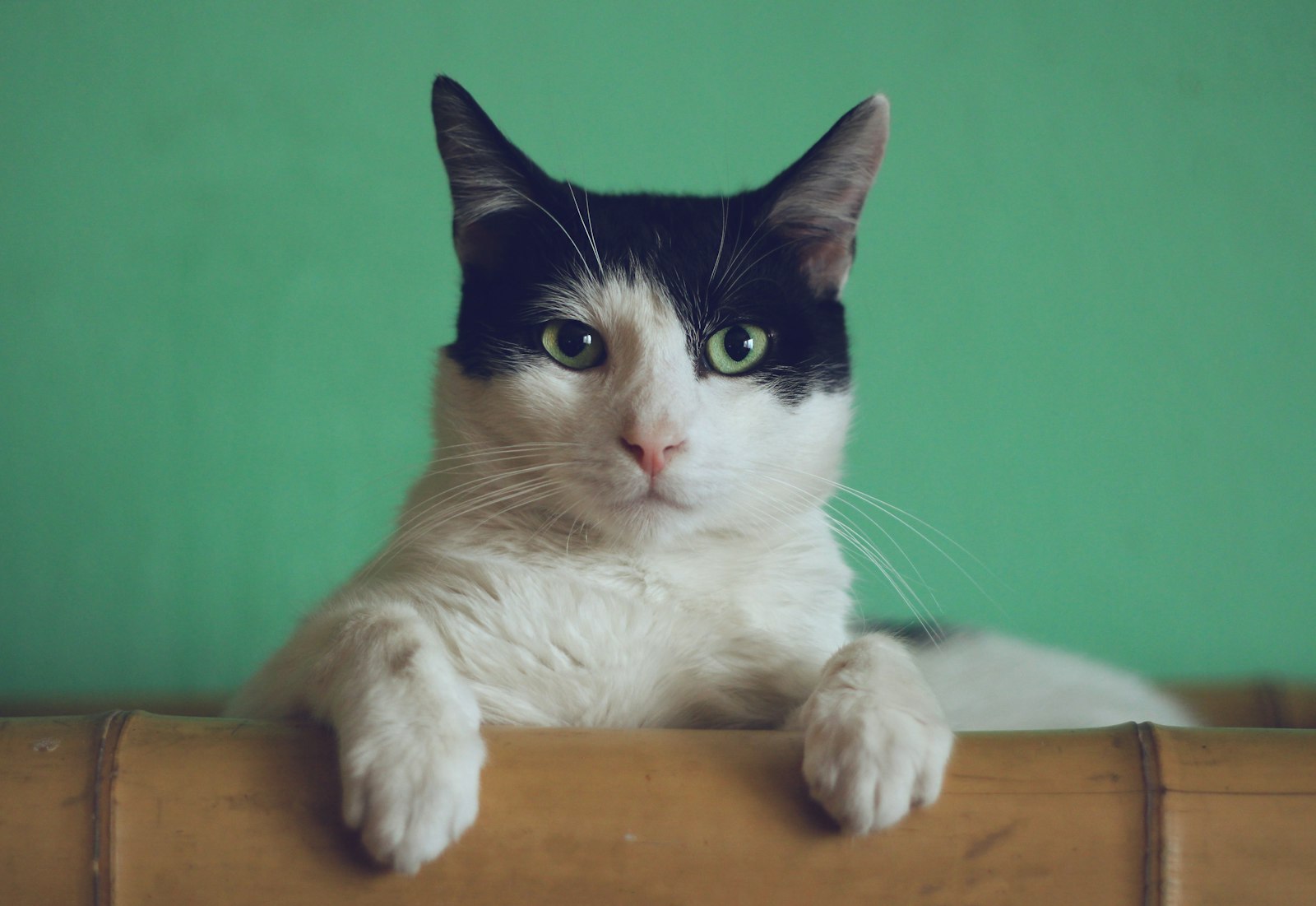
A cat refusing food is not the same as a dog skipping a meal. Unlike dogs, who can safely fast for a day or two, cats have a metabolism that turns prolonged food refusal into a medical emergency — fast. A cat that stops eating can develop hepatic lipidosis (fatty liver disease) within a few days, a condition that is fatal if untreated and that can take six to seven weeks of tube feeding to reverse. That is the single most important fact in this guide, and it is the reason every veterinary source we surveyed gave the same advice: call your vet if your cat has not eaten in 24 hours.
- 24-hour rule: A cat that has not eaten in 24 hours needs a vet call — full stop. Same-day appointment, not "wait and see."
- 48-hour rule: Two days without food is a serious risk for hepatic lipidosis, especially in overweight cats. Emergency vet.
- Red flags = ER now: Not eating plus difficulty breathing, yellow gums/eyes (jaundice), repeated vomiting, inability to urinate, collapse, or a painful distended abdomen.
- Overweight cats are at highest risk. Fat stores mobilize to the liver faster. A fat cat that stops eating is a ticking clock.
- Kittens and seniors are fragile. A kitten not eating for even a few hours can develop hypoglycemia. Do not wait 24 hours for a kitten.
- In over 90% of hepatic lipidosis cases, an underlying disease caused the initial appetite loss. Not eating is the symptom, not the disease. Finding the cause is the job.
How Long Can a Cat Safely Go Without Food?
This is the first question every worried cat owner asks, and the honest answer is uncomfortable: not as long as you think. A healthy adult cat may technically survive for one to two weeks without food if water is available, but survival is not the same as safety. Serious health complications begin far sooner.
Here is the timeline every cat owner should know:
| Time Without Food | What's Happening | What to Do |
|---|---|---|
| 12 hours | Usually fine if cat is otherwise normal. A skipped meal from stress, a new food, or a hairball is common. | Monitor. Try home encouragement tricks (below). Note behavior. |
| 24 hours | Yellow warning zone. Body starts mobilizing fat stores to the liver. This is the veterinary threshold. | Call your vet for a same-day or next-morning appointment. Do not wait. |
| 48 hours | Hepatic lipidosis risk is now significant, especially in overweight cats. Liver cells begin to overload with fat. | See a vet the same day. If your regular vet is closed, go to an emergency clinic. |
| 3+ days | Hepatic lipidosis is likely developing. Jaundice (yellow eyes/gums), vomiting, lethargy, and weight loss may appear. Liver function is compromised. | Emergency vet immediately. Hospitalization and feeding tube likely needed. |
| Kitten (any age) | Kittens have tiny glycogen reserves. Even 12 hours without food can cause dangerous low blood sugar (hypoglycemia), seizures, and collapse. | Do not wait 24 hours. A kitten not eating needs a vet within hours. |
| Senior or sick cat | Underlying disease accelerates the timeline. Chronic kidney disease, diabetes, or hyperthyroidism make fasting far more dangerous. | Vet call at the first missed meal, not at 24 hours. |
The 24-hour threshold is not a guess. It comes from the fact that cats, unlike dogs or humans, lack robust metabolic safeguards against fasting. When a cat stops eating, fat is rapidly mobilized from body stores and sent to the liver to be converted into usable energy. The feline liver is poorly equipped to handle this flood of fat. It becomes overwhelmed, the cells fill with lipid droplets, and liver function declines. This is hepatic lipidosis, and it can begin developing within just a few days of anorexia.
Hepatic Lipidosis: The Fatty Liver Clock
Hepatic lipidosis (also called fatty liver syndrome) is the most common liver disease in cats, and it is the reason a cat not eating is treated as urgent. Understanding how it works helps explain why time matters:
- The trigger: Any period of anorexia — typically three to four consecutive days without eating, or eating very little for several weeks.
- The mechanism: Without food energy, the body breaks down stored fat and ships it to the liver. The liver cannot process it fast enough, and fat accumulates inside liver cells (hepatocytes), impairing function.
- The risk multiplier: Overweight and obese cats are at dramatically higher risk, because they carry more fat that can be mobilized. A fat cat that stops eating is a medical emergency, not a diet opportunity.
- Signs: Poor or no appetite, rapid weight loss, jaundice (yellow discoloration of the whites of the eyes, gums, and skin), vomiting, lethargy and depression, unusual behaviors, weakness, diarrhea or constipation, dark urine, and abnormal bleeding or bruising.
- The catch: In over 90% of cases, an underlying disease caused the original loss of appetite. Hepatic lipidosis is often a secondary disaster on top of a primary problem like pancreatitis, inflammatory bowel disease, kidney disease, or other liver disease. Finding the underlying cause is essential — treating the lipidosis without addressing the cause leads to relapse.
- Prognosis: With aggressive treatment, around 90% of cats survive. Without treatment, it is fatal. The average cat requires six to seven weeks of tube feeding before they begin eating on their own again.
This is the central insight of this entire guide: time is the variable that decides whether a cat not eating becomes a recoverable problem or a fatal one. Every hour past 24 is an hour closer to liver damage. There is no safe "wait and see" window for a cat that has stopped eating.
The Quick Triage: When Is It an Emergency?
Not every missed meal is an emergency, but certain combinations of symptoms are. Use this triage table to decide how fast to act:
| Not eating PLUS… | Urgency | Action |
|---|---|---|
| Difficulty breathing, open-mouth breathing, blue or purple gums | Emergency | ER immediately |
| Yellow eyes, yellow gums (jaundice) | Emergency | ER immediately — liver crisis |
| Repeated vomiting, unable to keep water down | Emergency | ER the same day |
| Inability to urinate (straining in litter box, crying) | Emergency | ER immediately — urinary blockage (especially male cats) |
| Collapse, extreme lethargy, cannot stand | Emergency | ER immediately |
| Painful or distended abdomen, hunched posture | Emergency | ER the same day — possible pancreatitis or foreign body |
| Suspected toxin ingestion (lily, antifreeze, medication, etc.) | Emergency | ER immediately — do not wait for symptoms |
| No other symptoms, just not eating for >24 hours | Urgent | Vet appointment today or tomorrow morning |
| Reduced appetite for 1-2 days, otherwise normal | Monitor closely | Call vet if it reaches 24 hours of full refusal |
| Skipped one meal, otherwise normal and active | Low concern | Try home encouragement, monitor next 12 hours |
If you are not sure which row applies, the safest answer is always to call. Most veterinary clinics triage by phone for free and will tell you whether to come in now, schedule an appointment, or keep monitoring. No legitimate vet will make you feel bad for being cautious — they see the consequences of waiting far more often than the consequences of calling too soon.
The 10 Most Common Causes of a Cat Not Eating
Appetite loss in cats is almost never the primary problem — it is the body's response to something else. The list of possible causes is long, but a handful account for the majority of cases a vet sees. Knowing them helps you give your vet useful information and helps you understand the diagnostic plan.
1. Dental Disease and Tooth Resorption
This is one of the most under-diagnosed causes of appetite loss in cats. Feline tooth resorption (FORL) — a painful condition in which the tooth structure is broken down by the body's own cells — affects more than 50% of cats over the age of 3, and some studies place prevalence as high as 60-75% in adult cats. The teeth erode, the roots resorb, and eating becomes painful. Cats rarely show obvious mouth pain — they simply eat less, drop food, chew on one side, or stop eating hard food entirely. A dental exam under sedation with dental radiographs is the only way to confirm it. The cost of extraction and treatment typically runs about $390–$410 to about $1,160–$1,240.
2. Gastrointestinal Disease (Pancreatitis, IBD, Foreign Body)
Pancreatitis — inflammation of the pancreas — is notoriously hard to diagnose in cats because they often show no symptoms except loss of appetite. Cornell's Feline Health Center notes that many cats present with none of the classic signs (vomiting, diarrhea, fever) and simply stop eating. Pancreatitis is often linked with inflammatory bowel disease (IBD) and liver disease in a triaditis pattern. A swallowed foreign body (string, hair tie, toy part) can also block the gut and cause sudden appetite loss, often with vomiting. Pancreatitis treatment ranges from about $485–$515 to about $2,420–$2,580 depending on severity and whether hospitalization is needed.
3. Kidney Disease (Chronic and Acute)
Chronic kidney disease (CKD) is one of the most common diagnoses in older cats — an estimated 30-40% of cats over 10 have some degree of kidney decline. One of the earliest and most consistent signs is a drop in appetite, often with increased drinking and urination. CKD causes nausea via toxin buildup (uremia) that the failing kidneys can no longer filter. Acute kidney injury, often from toxin exposure (especially lilies — even the pollen is toxic), causes sudden refusal to eat plus vomiting and lethargy, and is a true emergency.
4. Upper Respiratory Infections
Cats decide what to eat largely by smell. A cat with a stuffy nose from a feline herpesvirus or calicivirus infection cannot smell its food, so it often stops eating — not because it is not hungry, but because the food does not register as food. This is common in shelter cats, kittens, and multi-cat households. The appetite loss is reversible once the URI clears, but it can still trigger hepatic lipidosis if it persists, so supportive care matters.
5. Stress and Environmental Change
Cats are creatures of habit to a degree that surprises many owners. A new pet, a new baby, a move, a houseguest, construction noise, a new food bowl, or even rearranging furniture can trigger a hunger strike. International Cat Care specifically calls out environmental disruption as a cause of inappetence. Stress-related appetite loss usually resolves within 24-48 hours once the cat adjusts, but it can still be dangerous if prolonged, so monitor closely.
6. Diabetes
Cats with diabetes may show a fluctuating appetite — eating more at first, then less as the disease progresses and nausea and dehydration set in. Often accompanied by increased drinking, increased urination, and weight loss despite eating. Untreated diabetes can progress to diabetic ketoacidosis (DKA), a life-threatening emergency with appetite loss, vomiting, lethargy, and a sweet or acetone breath odor.
7. Hyperthyroidism
Older cats (typically 10+) with an overactive thyroid often lose weight despite a good or increased appetite early on, but can later show reduced appetite as the disease progresses or as secondary problems (heart disease, hypertension) develop. Other signs include hyperactivity, vomiting, increased drinking, and a poor coat.
8. Cancer
Lymphoma, gastrointestinal tumors, and other cancers can cause appetite loss directly (nausea, pain, mechanical obstruction) and indirectly (the cancer triggers systemic inflammation). This is more common in older cats and is one reason a senior cat with unexplained appetite loss needs bloodwork and imaging, not just "wait and see."
9. Pain (Anywhere in the Body)
Cats hide pain exceptionally well. Osteoarthritis (increasingly recognized in older cats), post-surgical pain, abscesses, bite wounds, and urinary tract pain can all cause a cat to stop eating. A cat that suddenly refuses to jump to its usual feeding spot, or that hesitates before crouching to the bowl, may be in pain, not picky.
10. Medication Side Effects and Vaccines
Some medications (NSAIDs, certain antibiotics, steroids, chemotherapy) cause nausea and appetite loss. A mild vaccine reaction can also cause a cat to skip a meal or two. If the timeline matches a new medication or a recent vaccination, mention it to your vet — it may be a simple adjustment.
What the Vet Will Do: The Diagnostic Workup
When you bring in a cat that has stopped eating, the vet's first job is to find the cause (since, in over 90% of hepatic lipidosis cases, an underlying disease started the appetite loss). A typical workup follows this progression:
| Test | What It Checks | Typical Cost |
|---|---|---|
| Physical exam | Weight, hydration, gum color, abdominal palpation, oral exam, temperature, heart/lungs | $50-about $145–$155 (included in visit) |
| Bloodwork (CBC + chemistry) | Kidney values (BUN, creatinine), liver enzymes (ALT, ALP, bilirubin), blood sugar, thyroid (T4 in older cats), red/white blood cells | $120-about $340–$360 |
| Urinalysis | Kidney concentrating ability, signs of infection, glucose (diabetes), ketones (DKA) | $40-$90 |
| fPLI (feline pancreatic lipase) | Most specific blood test for pancreatitis (though it can miss mild/chronic cases) | $80-about $145–$155 |
| Abdominal ultrasound or X-ray | Liver size and texture, pancreas inflammation, foreign body, tumors, kidney shape | $200-about $485–$515 |
| Dental exam + radiographs (under sedation) | Tooth resorption, periodontal disease, oral masses — requires anesthesia | $400-about $1,160–$1,240 (incl. treatment) |
| Feeding tube placement (if needed) | Esophageal or nasogastric tube to deliver nutrition while cause is treated | $300-about $580–$620 (placement) |
A reasonable expectation for an initial workup without hospitalization is about $195–$205 to about $485–$515. If the cat needs hospitalization, IV fluids, feeding tube placement, and several days of supportive care, costs commonly reach about $1,940–$2,060 to about $5,820–$6,180 — which is exactly the scenario pet insurance exists for. A 2026 cat insurance policy averages $30 to $33 per month (Lemonade cats around $30-33, comparable providers similar), and a single bout of hepatic lipidosis can pay back years of premiums.
Home Care: How to Encourage a Cat to Eat (While You Wait for the Vet)
These tricks can help bridge the gap between now and your vet appointment, but they are not a substitute for the 24-hour rule. If it has been 24 hours, call the vet regardless of whether these tricks work.
- Warm the food. Wet food warmed for 5-10 seconds in the microwave (stir well to avoid hot spots) releases aroma. Smell is how cats recognize food, and warming amplifies it.
- Offer strong-smelling foods. Tuna (in water, not oil), sardines (in water), plain boiled chicken, or a small amount of plain meat baby food (no onion or garlic powder) can break a hunger strike.
- Try a different texture and flavor. A cat that refuses pate may eat shreds; a cat refusing chicken may eat fish. Rotate options rather than offering the same food repeatedly.
- Use a flat, shallow bowl. Deep bowls force whiskers against the sides — whisker fatigue is a real phenomenon that makes eating uncomfortable. A saucer or shallow dish often helps immediately.
- Offer food by hand. Place a small amount on your finger or a spoon and offer it directly. Some cats will eat when hand-fed who will not eat from a bowl.
- Clean the bowls. Wash food and water bowls daily with hot water and dish soap. Cats have a strong sense of smell and will refuse food from a bowl that smells stale or like another animal.
- Separate food, water, and litter. Cats instinctively avoid eating near where they eliminate. Move bowls to a quiet, low-traffic area away from the litter box.
- Add a topper. A spoonful of plain meat baby food, tuna water, or a commercial appetite topper (like a lickable treat) drizzled over regular food can rekindle interest.
- Reduce stress. If something in the environment changed (new pet, guests, construction), give the cat a quiet, dark hiding spot with food and water nearby. Do not drag a hiding cat out to eat.
- Keep the cat hydrated. Cats get much of their daily water from wet food. An anorexic cat is also a dehydrated cat. Offer a running water fountain or low, wide water bowl. Subcutaneous fluids from your vet may be needed.
- Do not force-feed or syringe-feed without veterinary instruction. Aspiration pneumonia is a real and deadly risk. If a vet has not seen the cat, do not attempt this at home.
- Do not give human food with onion, garlic, chives, leeks, or excess salt — these are toxic to cats.
- Do not use human appetite stimulants or medications. Many are toxic. Only use what your vet prescribes.
- Do not let the cat go without food past 24 hours in hopes that it will "get hungry enough." That is the exact path to hepatic lipidosis.
Appetite Stimulants: What the Vet Can Prescribe
If the underlying cause is being treated but the cat still will not eat, your vet may prescribe an appetite stimulant. Two are FDA-approved specifically for cats:
Mirataz (mirtazapine transdermal ointment)
FDA-approved for cats to manage undesired weight loss. Applied to the inside of the cat's ear (the hairless part) once daily. Works within 1-2 days, fully effective in 14 days. Prescription only.
Elura (capromorelin oral solution)
FDA-approved specifically for cats with chronic kidney disease to manage weight loss. Given by mouth daily. Particularly useful when kidney disease is the underlying cause of appetite loss.
Important caveats: Appetite stimulants are a bridge, not a cure. They help the cat eat while the underlying disease is treated. They do not fix the underlying disease. Mirtazapine can cause drowsiness and, rarely, serotonin syndrome (especially if combined with other serotonergic drugs) — use with caution in cats with liver or kidney disease. Elura is specifically indicated for kidney-disease cats because of this. Your vet may also prescribe maropitant (Cerenia), an anti-nausea injection, because nausea is often the actual reason a cat will not eat — and treating the nausea is more effective than stimulating the appetite.
These medications are prescription-only for good reason. The correct choice depends on the underlying diagnosis, and a wrong choice can make things worse. A phone or in-person consult is the only safe way to get the right prescription.
What Recovery Looks Like
If the underlying cause is identified and treated quickly, a cat can return to normal eating within days. If hepatic lipidosis has developed, recovery is longer and harder:
- Best case (caught early, simple cause): URI clears, dental pain resolved, stressor removed — cat eats normally within 24-72 hours of treatment.
- Moderate case (pancreatitis, kidney flare, IBD): Hospitalization 2-5 days with IV fluids, anti-nausea meds, and assisted feeding. Appetite returns as the primary disease is managed. Cost typically $1,000-about $2,910–$3,090.
- Severe case (established hepatic lipidosis): Feeding tube placed, 6-7 weeks of tube feeding at home (the average duration per VCA Hospitals), regular vet rechecks, treatment of the underlying cause. Cost $2,000-about $5,820–$6,180+. Prognosis with aggressive treatment: approximately 90% survival. Without treatment: fatal.
The single biggest factor in outcome is how fast you act. A cat treated at 24 hours has a far easier road than a cat treated at 72 hours. The cost difference is also dramatic — a about $195–$205 vet visit and anti-nausea injection can prevent a about $5,820–$6,180 hospitalization.
Decision Framework: What Should You Do Right Now?
Use this framework based on how long it has been and what other symptoms are present:
Go to the emergency vet NOW if…
- Your cat has not eaten in 48 hours or more, regardless of other symptoms.
- Your cat is not eating and has yellow eyes or gums (jaundice), difficulty breathing, repeated vomiting, inability to urinate, collapse, or a painful abdomen.
- Your cat is a kitten and has not eaten in even a few hours, or is weak, lethargic, or trembling (possible hypoglycemia).
- You suspect your cat ate a toxic plant (especially lilies), human medication, antifreeze, or another toxin.
Call your vet for a same-day or next-morning appointment if…
- Your cat has not eaten in 24 hours, even with no other symptoms.
- Your cat is eating much less than normal for more than 24 hours and is losing weight.
- Your cat is a senior (10+) or has a known chronic illness (kidney disease, diabetes, hyperthyroidism) and appetite drops.
- Your cat is overweight or obese and has not eaten in 24 hours (hepatic lipidosis risk is highest in these cats).
Monitor at home and call if it gets worse if…
- Your cat skipped one meal but is otherwise normal, active, and drinking water.
- Your cat is eating less but still eating some, and there is an obvious cause (new pet, new food, recent vaccine, mild URI).
- It has been less than 24 hours and your cat is otherwise normal. Try the home care tricks above. Set a hard 24-hour alarm.
7 Common Mistakes That Cost Cats Their Lives
- Waiting "just one more day." The most dangerous mistake. Every extra day past 24 hours increases hepatic lipidosis risk. The 24-hour rule exists because of this — the cost of waiting is measured in survival, not convenience.
- Assuming a fat cat will be fine longer. The opposite is true. Overweight cats are at the highest risk of hepatic lipidosis because they have the most fat to mobilize. A fat cat that stops eating is the most urgent case, not the least.
- Treating appetite loss as pickiness. Cats are not "picky" the way humans are finicky. A healthy cat that suddenly refuses food is almost always telling you something is wrong. Dismissing it as personality delays diagnosis.
- Trying home remedies instead of calling the vet. Warming food and offering tuna are fine as a bridge, but they do not diagnose or treat the underlying cause. Home tricks that work do not make the vet visit unnecessary — they just buy a little time.
- Force-feeding or syringe-feeding without instruction. Aspiration pneumonia is a real risk. If the cat cannot or will not swallow, forcing food into the mouth can send it into the lungs. This is a vet-guided procedure, not a home project.
- Using dog appetite stimulants or human medications. Many drugs that are safe for dogs or humans are toxic to cats. Even if the active ingredient is the same, the dose and formulation differ. Only use what your cat's vet prescribed for that specific cat.
- Stopping treatment when the cat starts eating again. If the underlying cause (kidney disease, dental disease, IBD) is not fully treated, appetite loss will return. Finishing the full course of treatment, including dental extraction follow-ups, kidney disease management, and recheck bloodwork, is what prevents relapse.
Frequently Asked Questions
My cat is not eating but is drinking water. Is that okay?
Drinking water is a good sign because it delays dehydration, but it does not change the 24-hour rule. A cat that is drinking but not eating is still at risk of hepatic lipidosis. The liver needs calories, not just water. Call your vet at 24 hours regardless of water intake.
My cat ate a little bit. Does that reset the clock?
Partial eating slows the timeline but does not eliminate the risk. If your cat is eating much less than normal for more than 24-48 hours, hepatic lipidosis can still develop. "Eating a little" for several days is actually the classic pattern that precedes fatty liver disease. Call your vet if reduced intake persists.
Can I give my cat baby food to get them to eat?
Plain meat baby food (chicken, turkey, beef) with no onion or garlic powder can be a useful short-term appetite stimulant because of its strong smell and soft texture. Read the ingredient label carefully — onion and garlic are toxic to cats and damage red blood cells. Use it as a bridge to the vet, not as a long-term diet.
My cat stopped eating after a move/new pet/visitor. Is that normal?
Stress-related appetite loss is common and usually resolves within 24-48 hours as the cat adjusts. Provide a quiet, dark hiding spot with food and water nearby, and do not force interaction. But the 24-hour rule still applies — if the cat has not eaten in 24 hours, call the vet. Stress can be the trigger, but the hepatic lipidosis risk is the same regardless of the trigger.
How much does it cost to treat a cat that stopped eating?
A basic exam with bloodwork runs $200-about $485–$515. Pancreatitis or kidney treatment ranges $500-about $2,420–$2,580. Dental extraction for tooth resorption costs $400-about $1,160–$1,240. Severe hepatic lipidosis requiring hospitalization, feeding tube placement, and 6-7 weeks of supportive care can run $2,000-about $5,820–$6,180 or more. Cat insurance averages $30-$33/month in 2026 and can significantly reduce these out-of-pocket costs. See our pet insurance comparison guide for plan options.
Will my cat need a feeding tube?
Only if hepatic lipidosis has developed or the cat has gone too long without food. A feeding tube (esophageal or nasogastric) lets you deliver nutrition at home while the underlying cause is treated. The average cat needs the tube for 6-7 weeks, but most cats tolerate it well and many owners find home tube feeding far less stressful than they expected. It is a temporary measure, not a permanent change.
How can I prevent my cat from getting hepatic lipidosis?
The best prevention is to never let a cat go more than 24 hours without food. This means: monitor daily food intake (especially in overweight cats), address any appetite drop immediately, schedule regular vet checkups for senior cats to catch kidney/thyroid/dental disease early, and keep your cat at a healthy weight — obesity is the single biggest risk factor. A cat fed a consistent, balanced diet and monitored for early appetite changes is far less likely to develop hepatic lipidosis.
The Bottom Line
A cat that stops eating is not being difficult. It is being a cat — and cats have a metabolism that turns food refusal into a medical emergency faster than almost any other species. The single most important action you can take is call your vet at 24 hours. Not 48, not 72, not "when I have time." Twenty-four hours. That call is the difference between a about $195–$205 treatable problem and a about $5,820–$6,180 hospitalization, between a cat that bounces back in two days and one that spends seven weeks with a feeding tube.
The second most important action: do not treat appetite loss as a standalone problem. In over 90% of hepatic lipidosis cases, an underlying disease caused the original loss of appetite. The vet's job is to find and treat that cause — the appetite stimulants and feeding tubes are bridges that keep the cat alive long enough for the cause to be addressed. Treating only the symptom and not the cause is how cats relapse.
If your cat has not eaten today, set a 24-hour alarm on your phone right now. If that alarm goes off and your cat still has not eaten, call your vet. That is the entire decision tree. Everything else in this guide is detail to help you understand why this one rule matters so much — and it does.
Worried About Vet Bills if Your Cat Gets Sick?
A single case of hepatic lipidosis can cost about $1,940–$2,060 to about $5,820–$6,180. Cat insurance averages just $30-$33 per month in 2026 and can turn a financial emergency into a manageable copay. Compare the top providers in our free guide.
See the 2026 Pet Insurance Comparison →For more on keeping your cat or dog healthy, check out our guide to the best cat litter boxes (litter box habits reveal early illness), our complete dog health symptoms guide (many signs overlap across species), and our pet insurance comparison guide to plan ahead before a crisis.
As an Amazon Associate, we earn from qualifying purchases. Pricing and availability are shown on Amazon.